
The Three-Piece Suit Revival: When (and How) to Wear a Waistcoat
The Three-Piece Suit Revival: When (and How) to Wear a Waistcoat
The three-piece suit has returned to prominence as more men look for ways to make formal and professional clothing feel distinctive without becoming overly flashy. Understanding when to wear a three-piece suit can help you take advantage of its polished appearance while avoiding situations where it may feel unnecessarily formal. Consisting of matching trousers, a jacket, and a waistcoat, the three-piece suit offers a refined silhouette that works particularly well for weddings, important business occasions, formal celebrations, and other events where presentation matters.
Once associated primarily with traditional business executives and formal ceremonies, the waistcoat has become much more versatile. Modern tailoring allows men to wear three-piece suits in ways that feel current, personal, and appropriate for a wide variety of occasions.
What Is a Three-Piece Suit?
A traditional three-piece suit consists of three coordinated garments:
- A suit jacket
- Matching trousers
- A matching waistcoat
The waistcoat, also commonly called a vest in the United States, is worn underneath the jacket and over the dress shirt. In a traditional three-piece suit, all three components are cut from the same fabric.
However, contemporary tailoring provides more flexibility. Some men choose contrasting waistcoats that complement rather than exactly match the jacket and trousers. This creates a more relaxed appearance while still maintaining the layered structure associated with three-piece tailoring.
The waistcoat also serves a practical purpose. When the jacket comes off, the wearer still looks put together. Instead of being left in only a dress shirt and trousers, the waistcoat maintains a structured and intentional appearance.
Why the Three-Piece Suit Is Making a Comeback
Menswear has experienced a renewed appreciation for traditional tailoring. After years of increasingly casual workplace and social dress codes, many men are rediscovering the benefits of clothing that fits precisely and communicates confidence.
The three-piece suit fits naturally into this revival because it provides more visual interest than a standard two-piece suit without requiring unusual colors or accessories.
Several factors have contributed to its renewed popularity.
Greater Interest in Personalized Menswear
Men increasingly want clothing that reflects their individual style. A three-piece suit provides additional opportunities for customization through fabric, buttons, lapels, lining, waistcoat shape, and accessories.
A properly designed three-piece suit can appear traditional, contemporary, understated, or bold depending on the choices made during the tailoring process.
The Return of Formal Events
Weddings, galas, upscale dinners, professional conferences, and other formal events give men opportunities to move beyond everyday business attire.
A three-piece suit immediately separates itself from the standard jacket-and-trousers combination while remaining classic enough to avoid looking trendy.
Appreciation for Better Fit
A well-tailored waistcoat adds definition to the torso and creates a clean line from the shoulders through the waist. When properly fitted, it can improve the overall proportions of the outfit and produce a sharper silhouette.
That benefit is difficult to achieve with mass-produced clothing that has not been designed for the individual wearer.
When to Wear a Three-Piece Suit
Knowing when to wear a three-piece suit is largely about understanding the level of formality expected at an event. Three-piece suits are naturally more formal than ordinary two-piece suits, although fabric and styling choices can make them more or less dressy.
Weddings
Weddings are among the best occasions for a three-piece suit.
For grooms, the added waistcoat provides a formal appearance that distinguishes wedding attire from an ordinary office suit. Many grooms choose to build their custom wedding suit as a three-piece for exactly this reason. It also ensures that the groom remains well-dressed if the jacket comes off during the reception.
Wedding guests can also wear three-piece suits, particularly when the invitation indicates formal, cocktail, or upscale attire.
Just be mindful of the wedding’s overall dress code and avoid choices that could compete unnecessarily with the groom.
Important Business Meetings
A three-piece suit can be appropriate for high-level professional situations, including:
- Executive presentations
- Major client meetings
- Financial or legal meetings
- Industry conferences
- Formal business dinners
- Important negotiations
The additional structure communicates preparation and professionalism. A tailored custom business suit built as a three-piece can reinforce this presence without feeling overdone.
However, workplace culture matters. In highly casual offices, a three-piece suit may appear excessively formal for an ordinary workday. Reserve it for situations where elevated business attire is appropriate.
Formal Dinners and Celebrations
Anniversary dinners, charity events, awards ceremonies, holiday gatherings, and upscale celebrations can all provide opportunities to wear a three-piece suit.
Darker fabrics generally work well for evening events, while lighter fabrics can be appropriate for daytime occasions.
Cocktail Events
A three-piece suit can work particularly well for sophisticated cocktail events.
Consider introducing subtle personality through texture, color, or accessories. A patterned tie, pocket square, or slightly contrasting waistcoat can prevent the outfit from looking overly corporate.
Professional Portraits and Public Appearances
Executives, attorneys, entrepreneurs, speakers, and other professionals may choose three-piece suits for portraits, press appearances, speaking engagements, or major presentations.
The structured appearance photographs well and communicates authority without requiring excessive styling.
How Should a Waistcoat Fit?
Fit is especially important with a waistcoat because the garment sits close to the body.
A poorly fitted waistcoat can bunch, pull, or create unwanted bulk underneath the suit jacket. A properly tailored waistcoat should follow the shape of the torso while allowing comfortable movement.
Important fit considerations include the following.
It Should Sit Close to the Body
The waistcoat should be fitted but not restrictive.
If horizontal pulling appears around the buttons, the garment may be too tight. If excess fabric hangs around the sides or back, it may be too loose.
It Should Cover the Waistband
Your shirt should not be visible between the bottom of the waistcoat and the top of your trousers.
Traditional three-piece tailoring often incorporates trousers with a slightly higher rise specifically to create a continuous visual line between the waistcoat and trousers.
The Armholes Should Be Comfortable
Armholes should allow natural movement without creating large gaps around the sides of the chest.
Properly fitted armholes help the waistcoat remain clean and streamlined.
The Back Should Sit Smoothly
Most waistcoats include an adjustable strap at the back. This feature allows minor adjustments, but it should not compensate for fundamentally poor sizing.
Custom tailoring provides the advantage of shaping the garment around the wearer’s actual proportions.
Should You Button Every Button on a Waistcoat?
Traditionally, the bottom button of a waistcoat is left undone.
This convention has been part of classic menswear for generations and remains the standard approach today.
The buttons above it should generally remain fastened.
Leaving the bottom button undone also provides slightly more movement when sitting or walking, helping the waistcoat maintain its shape.
Choosing the Right Shirt
Because a waistcoat already adds another visual layer, the shirt should usually provide a clean foundation.
White and light blue dress shirts remain dependable options, particularly for business and formal occasions.
For more expressive events, subtle patterns may work well, including:
- Fine stripes
- Small checks
- Light textured fabrics
- Muted colors
Avoid shirts that are excessively bulky. Extra fabric can gather underneath the fitted waistcoat and disrupt the clean silhouette.
A tailored dress shirt works particularly well because it keeps excess material to a minimum.
Choosing the Right Tie
A tie completes the traditional three-piece suit.
Because the waistcoat covers much of the tie, proportion becomes particularly important. The visible portion should sit cleanly between the shirt collar and waistcoat.
Classic silk ties work well for formal settings, while textured fabrics such as wool or grenadine can create a slightly more relaxed appearance.
Tie bars are generally unnecessary with a waistcoat because the waistcoat itself keeps the tie in position.
Can You Wear a Three-Piece Suit Without a Tie?
Yes, depending on the occasion.
Removing the tie can make a three-piece suit feel noticeably more relaxed. This approach may work for:
- Evening social events
- Cocktail gatherings
- Creative industry events
- Upscale dinners
- Less formal weddings
If you choose to go without a tie, make sure the shirt fits exceptionally well because the open collar will attract more attention.
For traditional business meetings, ceremonies, or highly formal events, a tie remains the safer choice.
Choosing Fabric for a Three-Piece Suit
Because three-piece suits include an additional layer, fabric weight deserves careful consideration.
Lightweight wool is particularly versatile because it maintains structure without creating excessive bulk.
Other possibilities include seasonal fabrics such as linen blends for warm-weather events and heavier wool for colder seasons.
In San Francisco, where temperatures can change significantly throughout the day, breathable fabrics and thoughtful construction can make a noticeable difference in comfort.
A skilled tailor can recommend materials based on how and where the suit will be worn.
Choosing Colors and Patterns
Navy and charcoal remain excellent choices for a first three-piece suit because they work across professional and social settings.
Other appropriate colors may include:
- Medium gray
- Dark brown
- Deep blue
- Subtle pinstripes
- Windowpane patterns
- Textured neutral fabrics
Men who already own several traditional suits may want to explore more distinctive fabrics.
The goal should be creating personality while preserving versatility.
Matching Versus Contrasting Waistcoats
A matching waistcoat creates the most traditional three-piece appearance.
This approach is ideal for weddings, business environments, formal ceremonies, and professional events.
A contrasting waistcoat creates a more relaxed and expressive style. For example, a subtle gray waistcoat may complement a navy suit without appearing overly coordinated.
Contrast should still look intentional. The fabrics, colors, and textures should relate naturally to one another.
Working with an experienced tailor can make these combinations easier because fabric selections can be compared directly before the garments are made.
How to Wear the Jacket With a Waistcoat
Standard jacket buttoning rules still apply.
For a two-button jacket, fasten the top button while standing and leave the bottom button undone.
The jacket should generally be unbuttoned while sitting.
When the jacket is removed, the waistcoat allows the outfit to remain polished. This is one of the biggest practical advantages of the three-piece suit, particularly during long events.
Accessories for a Three-Piece Suit
Since a three-piece suit already creates visual depth, accessories should generally be selective rather than excessive.
Useful options include:
- A pocket square
- A quality watch
- Cufflinks with French cuffs
- A classic leather belt when appropriate
- Polished dress shoes
- A subtle lapel pin for certain occasions
Avoid combining too many decorative elements at once.
The suit itself should remain the primary focus.
Common Three-Piece Suit Mistakes to Avoid
Even an expensive suit can look wrong if it is styled or fitted poorly.
Common mistakes include:
- Wearing a waistcoat that is too tight
- Allowing the shirt to show beneath the waistcoat
- Buttoning the bottom waistcoat button
- Wearing trousers that sit too low
- Choosing an excessively bulky shirt
- Using too many competing accessories
- Ignoring the event’s dress code
- Wearing a jacket that does not fit properly over the waistcoat
Many of these problems can be avoided through proper bespoke tailoring.
A three-piece suit should be designed as a complete outfit rather than three unrelated garments.
Why Bespoke Tailoring Makes a Difference
The additional structure of a three-piece suit makes precise tailoring particularly valuable.
The jacket, waistcoat, and trousers must work together. Changes to one garment can affect how the others sit on the body.
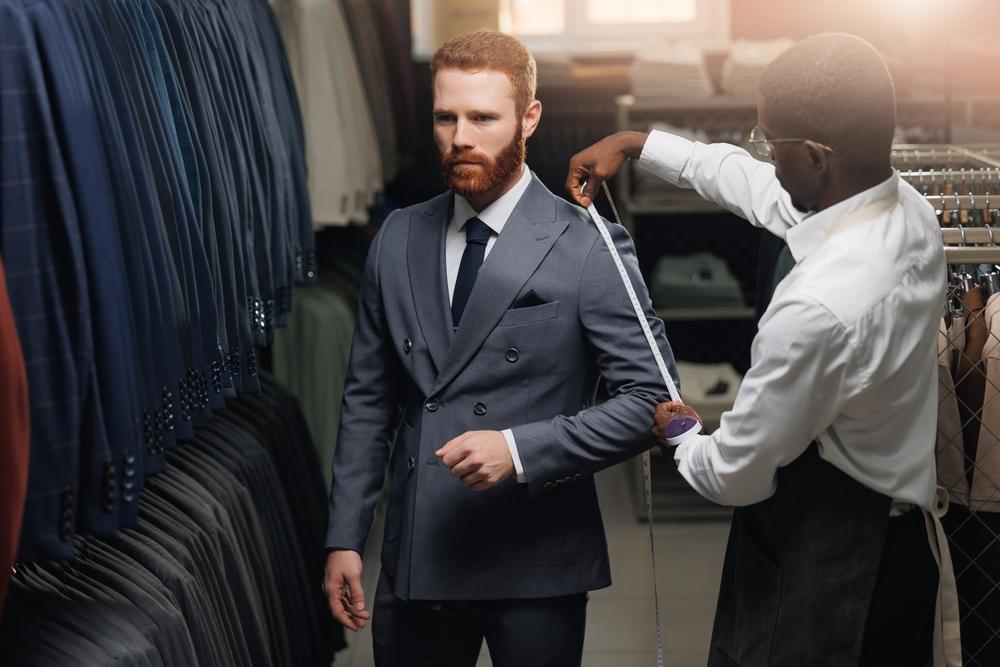
Bespoke tailoring allows measurements and proportions to be considered throughout the entire outfit.
Details can also be selected according to personal preferences, including:
- Fabric
- Lapel style
- Button configuration
- Pocket design
- Trouser rise
- Waistcoat shape
- Lining
- Shirt proportions
- Overall silhouette
The result is clothing designed around the individual rather than standardized sizing.
For professionals and individuals who wear tailored clothing regularly, that distinction can significantly improve both appearance and comfort.
Frequently Asked Questions
Is a three-piece suit more formal than a two-piece suit?
Yes. Adding a matching waistcoat generally makes a suit more formal and visually structured than a standard two-piece suit.
Can I wear a three-piece suit to work?
Yes, particularly in traditional professional environments or for important meetings. Consider your workplace dress culture before wearing one as everyday office attire.
Should the waistcoat match the suit?
Traditionally, yes. A matching waistcoat creates a classic three-piece suit. Contrasting waistcoats can also work for more relaxed or expressive occasions.
Should I leave the bottom waistcoat button undone?
Yes. Traditional menswear convention calls for leaving the bottom button of the waistcoat unfastened.
Can I take my jacket off while wearing a three-piece suit?
Yes. One advantage of wearing a waistcoat is that the outfit remains structured and polished after the jacket is removed.
Can I wear a belt with a three-piece suit?
You can, but many tailored three-piece suits use higher-rise trousers with side adjusters instead. This creates a cleaner appearance underneath the waistcoat.
Can a three-piece suit be worn without a tie?
Yes, particularly for less formal social occasions. Formal business events, ceremonies, and traditional weddings typically call for a tie.
What color three-piece suit is most versatile?
Navy and charcoal are among the most versatile choices because they can transition between professional, wedding, and formal social settings.
Is a three-piece suit appropriate for summer?
It can be. Lightweight, breathable fabrics and thoughtful construction are important because the waistcoat adds another layer.
Does a waistcoat make a suit look outdated?
Not when the suit is properly fitted and styled. Modern proportions, quality fabrics, and careful tailoring can make a waistcoat look polished and contemporary.
Elevate Your Wardrobe With Peter Panos Bespoke Tailor
A three-piece suit should look intentional from every angle. Proper proportions, high-quality fabric, precise construction, and personal styling choices are what separate a memorable tailored suit from an ordinary off-the-rack option.
At Peter Panos Bespoke Tailor, we have been serving the San Francisco, CA, area with master bespoke tailoring for businessmen, celebrities, and clients who appreciate expertly crafted clothing. We take pride in providing high-quality custom-tailored services designed around each client’s individual proportions and personal style.
Our focus includes custom suits, pants, coats, and shirts, giving our clients the freedom to integrate their own unique preferences into quality pieces of tailored apparel.
Whether you are considering your first three-piece suit or looking to expand an established professional wardrobe, we can help you create clothing that fits properly, feels comfortable, and reflects your individual style.
Contact us today to explore bespoke tailoring in San Francisco and create a three-piece suit designed specifically for you.
Categorised in: Custom Suit