
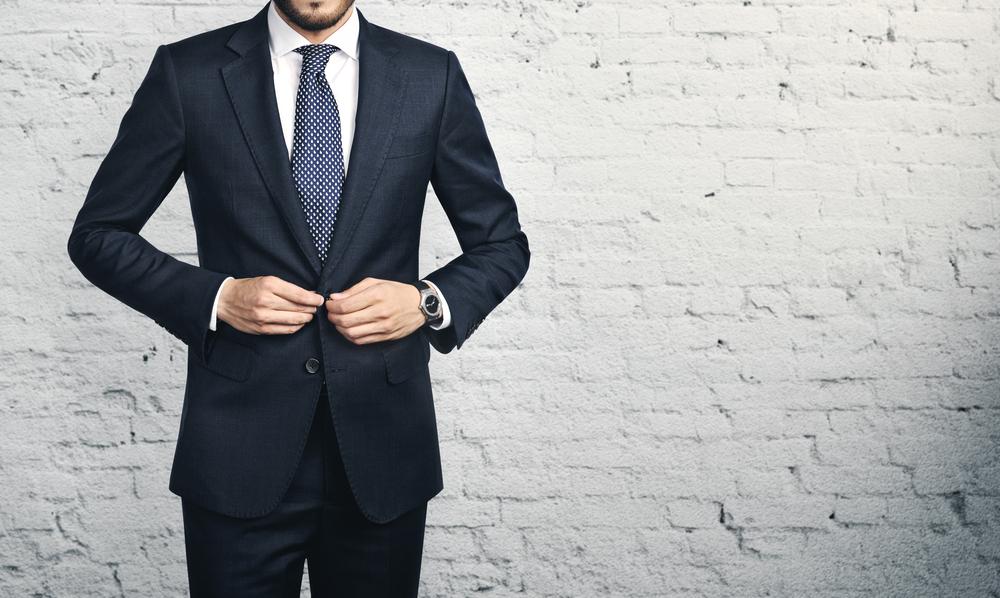
From Boardroom to Black Tie: How to Adapt Your Custom Suit for Evening Events
A custom suit for an evening event should do more than look polished. It should help you move confidently from professional settings to formal occasions without appearing underdressed, overdressed, or out of place. For many businessmen, executives, and style-conscious professionals, the right suit is not limited to the boardroom. With thoughtful styling, smart accessories, and a clear understanding of the dress code for evening functions, a well-made suit can become one of the most versatile pieces in your wardrobe.
Why a Custom Suit Works Beyond Business Hours
A custom suit is built around your frame, your preferences, and your lifestyle. That is what makes it especially useful for day-to-night suit transitions. Unlike an off-the-rack suit that may only work in limited settings, a custom garment can be designed with the flexibility to move between business meetings, client dinners, formal receptions, private events, galas, and upscale celebrations.
The key is intentional design. Fabric, fit, lapel style, color, shirt pairing, footwear, and accessories all influence whether a suit reads as strictly business or evening appropriate. When these details are chosen carefully, your suit becomes more than office attire. It becomes a refined foundation that can be dressed up or down depending on the occasion.
For professionals in San Francisco, where workdays often flow into dinners, networking events, charity functions, and formal gatherings, versatile tailored suits are a practical investment. A properly made suit allows you to maintain a sophisticated presence without needing a complete wardrobe change.
Understanding Formal vs. Business Attire
Before adapting your suit, it helps to understand the difference between formal vs. business attire. Business attire is designed to communicate professionalism, authority, and reliability. It usually favors clean lines, conservative colors, structured shirts, simple ties, and understated accessories.
Formal evening attire, on the other hand, places more emphasis on elegance, finish, and occasion-specific details. It is still refined, but it often includes richer textures, darker colors, sharper contrasts, and more elevated accessories.
Common business attire details include:
- Navy, charcoal, medium gray, or subtle patterned suits
- White, light blue, or pale patterned dress shirts
- Conservative silk ties
- Black or brown leather dress shoes
- Minimal accessories
Common evening attire details include:
- Darker suit colors such as black, midnight blue, charcoal, or deep navy
- Crisp white dress shirts
- Silk ties, bow ties, or open-collar styling, depending on the event
- Polished black shoes
- Refined accessories such as cufflinks, pocket squares, and dress watches
Understanding these differences helps you make smart styling decisions. You do not always need a tuxedo for evening events, but you do need to recognize when your business suit needs a more formal presentation.
Dinner Suit vs. Business Suit: What Is the Difference?
The distinction between a dinner suit vs. business suit is important. A business suit is usually designed for daytime professional settings. It is practical, polished, and appropriate for meetings, presentations, and office environments. A dinner suit is more formal and traditionally intended for evening wear. It often features darker fabric, satin or grosgrain details, and a cleaner, more refined silhouette.
A dinner suit is commonly associated with black tie events. A business suit, even a high-quality one, does not automatically qualify as black tie. However, a custom business suit can often be styled for many evening occasions that do not strictly require a tuxedo.
For example, if an invitation says “cocktail attire,” “formal business,” “evening formal,” or “dressy,” a dark, well-tailored suit can be appropriate. If the invitation says “black tie,” a tuxedo or true dinner suit is generally expected.
This is where custom tailoring becomes valuable. A tailor can help you choose whether your wardrobe needs a refined dark suit, a dinner jacket, or a complete tuxedo, depending on the types of events you regularly attend.
Choosing the Right Suit for Day-to-Night Suit Transitions
Not every suit transitions equally well from day to evening. The most adaptable suits are usually darker, cleaner, and more understated. Loud patterns, casual fabrics, and lighter colors may work well during the day but can feel out of place at formal evening events.
For better day-to-night suit transitions, consider these features:
- Color: Choose navy, charcoal, black, or midnight blue for maximum flexibility.
- Fabric: Select fine wool, wool-silk blends, or smooth worsted fabrics with a refined finish.
- Fit: Keep the silhouette clean, structured, and close to the body without being restrictive.
- Pattern: Use solids or subtle patterns rather than bold checks or heavy textures.
- Lapels: Peak lapels can add formality, while notch lapels remain versatile.
- Trousers: Flat-front or cleanly tailored pants keep the look sharp and modern.
A custom suit designed with these elements can perform well in professional settings while still being easy to elevate for evening events.
Styling a Suit for Events After Work
Styling a suit for events is about adjusting the details. You may wear the same foundation, but your shirt, tie, shoes, and accessories can change the entire impression.
For a business meeting, you might wear a navy custom suit with a light blue shirt, a conservative tie, and brown dress shoes. For an evening reception, that same suit can be transformed with a crisp white shirt, a darker tie, black shoes, a white pocket square, and cufflinks.
For a cocktail event, you may remove the tie and wear a sharp spread-collar shirt with polished loafers or oxfords. For a formal dinner, you may choose a silk tie, white pocket square, and black cap-toe shoes. For a gala that is not black tie, a dark suit with elegant accessories can strike the right balance.
The goal is to create a deliberate evening look. Avoid appearing as though you simply left the office and arrived at the event unchanged.
The Importance of the Shirt
The shirt is one of the easiest ways to shift a suit from business to evening. For daytime wear, light blue, pale gray, or subtle patterns are appropriate. For evening events, a crisp white shirt is usually the strongest choice.
A white dress shirt provides contrast, formality, and simplicity. It also works well with darker suits and more refined accessories. The collar should frame the face cleanly and work with your tie or open-collar style.
For formal evening settings, consider:
- A white spread-collar shirt
- A French cuff shirt with cufflinks
- A clean placket or hidden placket for a dressier finish
- Fine cotton fabric with a smooth texture
Your shirt should be properly fitted through the neck, shoulders, chest, sleeves, and waist. A poorly fitted shirt can weaken the look of even the best custom suit.
Accessories for Formal Suits
Accessories for formal suits should be refined, not excessive. Evening style is often about restraint. The right accessories add polish, while too many can make the outfit feel forced.
Strong accessory choices include:
- Pocket square: A white linen pocket square is timeless and elegant.
- Tie: A dark silk tie works well for formal dinners and evening business events.
- Bow tie: Appropriate for black tie optional or more formal evening occasions.
- Cufflinks: Simple silver, gold, or mother-of-pearl cufflinks can elevate the look.
- Dress watch: Choose a slim, understated watch with a leather strap or elegant bracelet.
- Belt or suspenders: Match the formality of the event and the style of the suit.
Avoid loud novelty accessories, oversized watches, flashy tie bars, and bright pocket squares unless the event specifically allows for more expressive styling. Your accessories should support the suit, not compete with it.
Shoes Can Define the Whole Look
Shoes play a major role in whether your suit feels business casual, professional, or formal. Brown shoes often work well during the day, especially with navy or gray suits. For evening events, black shoes are usually the more formal and appropriate choice.
For dressier events, consider:
- Black cap-toe oxfords
- Black wholecut oxfords
- Black patent leather shoes for black tie settings
- Highly polished black loafers for certain cocktail events
Your shoes should be clean, polished, and in excellent condition. Even a perfectly tailored suit can lose its impact if paired with worn or casual footwear.
Dressing for the Event’s Specific Dress Code
The dress code for evening functions should always guide your choices. If an invitation includes a dress code, take it seriously. It gives you important direction about how formal your outfit should be.
Here are a few common evening dress codes and how to approach them:
- Business formal: A dark suit, dress shirt, tie, and polished dress shoes.
- Cocktail attire: A dark suit, crisp shirt, refined shoes, and optional tie depending on the setting.
- Black tie optional: A tuxedo is ideal, but a very dark, formal suit may be acceptable if styled carefully.
- Black tie: A tuxedo or dinner suit is expected.
- Creative black tie: Formalwear with room for tasteful personal expression.
When in doubt, it is better to be slightly more polished than too casual. A custom suit gives you the advantage of looking composed, even when the dress code leaves room for interpretation.
When to Choose a Tuxedo Instead
A custom suit is highly versatile, but it does not replace a tuxedo for every occasion. For black tie events, formal galas, certain weddings, award ceremonies, and upscale evening functions, a tuxedo is often the correct choice.
A tuxedo typically includes:
- Satin or grosgrain lapel facing
- Matching formal trousers with a side stripe
- Formal white shirt
- Bow tie
- Formal shoes
- Cummerbund or waist covering when appropriate
If you regularly attend high-level evening events, owning a custom tuxedo or dinner suit may be a wise investment. It ensures that you are always properly dressed for the most formal occasions.
Building Versatile Tailored Suits Into Your Wardrobe
Versatile tailored suits are built with your real schedule in mind. A businessman who attends board meetings, client dinners, fundraising events, and private celebrations needs clothing that supports all of those settings.
A smart tailored wardrobe may include:
- A navy business suit for daily professional use
- A charcoal suit for meetings and formal business events
- A midnight blue or black suit for evening occasions
- A tuxedo or dinner suit for black tie events
- Custom shirts in white, blue, and subtle patterns
- Tailored pants and coats for seasonal flexibility
The advantage of bespoke tailoring is that each piece can be designed to complement the others. Your suits, shirts, pants, and coats can work together as a complete wardrobe rather than disconnected purchases.
Adding Personal Style Without Losing Formality
One of the strongest benefits of bespoke tailoring is the ability to integrate personal style into high-quality apparel. This matters because evening events often allow for a little more individuality than standard business settings.
Personal style can be expressed through:
- Lapel shape
- Lining choice
- Button selection
- Pocket style
- Shirt collar design
- Fabric texture
- Subtle monograms
- Carefully selected accessories
The key is balance. Personal details should feel intentional and sophisticated. They should not distract from the overall presentation. A master bespoke tailor can help you choose details that reflect your style while still respecting the event’s formality.
Fit Is the Foundation of Evening Elegance
No amount of styling can compensate for a poor fit. Evening events often include photography, networking, seated dinners, and close personal interaction. Your suit needs to look sharp from every angle and feel comfortable for several hours.
Important fit areas include:
- Shoulders that sit cleanly without pulling or sagging
- Jacket length that balances your proportions
- Sleeves that show the right amount of shirt cuff
- Trousers that sit properly at the waist
- A clean trouser break over the shoes
- A jacket waist that defines shape without tightness
This is where bespoke tailoring stands apart. A suit made specifically for you creates a level of precision that standard alterations cannot always achieve.
Practical Tips for Moving From Boardroom to Evening
If you need to attend an evening event after work, plan ahead. Small changes can make a major difference.
Consider keeping these items available:
- Fresh white dress shirt
- Dark silk tie or bow tie
- White pocket square
- Cufflinks
- Shoe polishing cloth
- Fragrance used lightly
- Black dress shoes if your daytime shoes are brown
Before leaving for the evening event, check your shirt collar, jacket shoulders, pocket square, shoes, and trouser break. A few minutes of attention can make your outfit look intentional rather than rushed.
FAQ
Can I wear a business suit to an evening event?
Yes, if the dress code allows it. A dark, well-tailored business suit can work for cocktail attire, business formal events, dinners, and many receptions. It is not a substitute for a tuxedo when black tie is required.
What color suit is best for evening events?
Dark navy, charcoal, black, and midnight blue are the strongest choices. These colors look refined in evening lighting and pair well with formal accessories.
What is the difference between a dinner suit and a business suit?
A dinner suit is designed for formal evening wear and may include satin or grosgrain details. A business suit is designed for professional daytime use, although it can be styled for many evening occasions.
Do I need a tie for an evening event?
It depends on the dress code. Formal business events and dinners usually call for a tie. Cocktail events may allow an open collar if the overall look remains polished.
What accessories should I wear with a formal suit?
Choose simple, refined accessories such as a white pocket square, silk tie, cufflinks, dress watch, and polished black shoes. Avoid anything too loud or distracting.
Can a custom suit be made for both business and formal events?
Yes. A bespoke tailor can design a suit with the right fabric, color, fit, and details to support both professional wear and evening styling.
When should I wear a tuxedo instead of a suit?
Wear a tuxedo when the invitation says black tie or when the event is highly formal, such as a gala, formal wedding, awards event, or upscale evening function.
Book Your Consultation Today
From important business meetings to refined evening occasions, the right custom suit should work as hard as you do. Peter Panos Bespoke Tailor proudly serves the San Francisco, CA, area with master bespoke tailoring for businessmen, celebrities, and clients who value quality, precision, and personal style. Whether you need custom suits, pants, coats, or shirts, our team can help you build tailored apparel that reflects your lifestyle and fits with confidence. Contact us to schedule your bespoke tailoring experience.
Categorised in: Bespoke Suit