
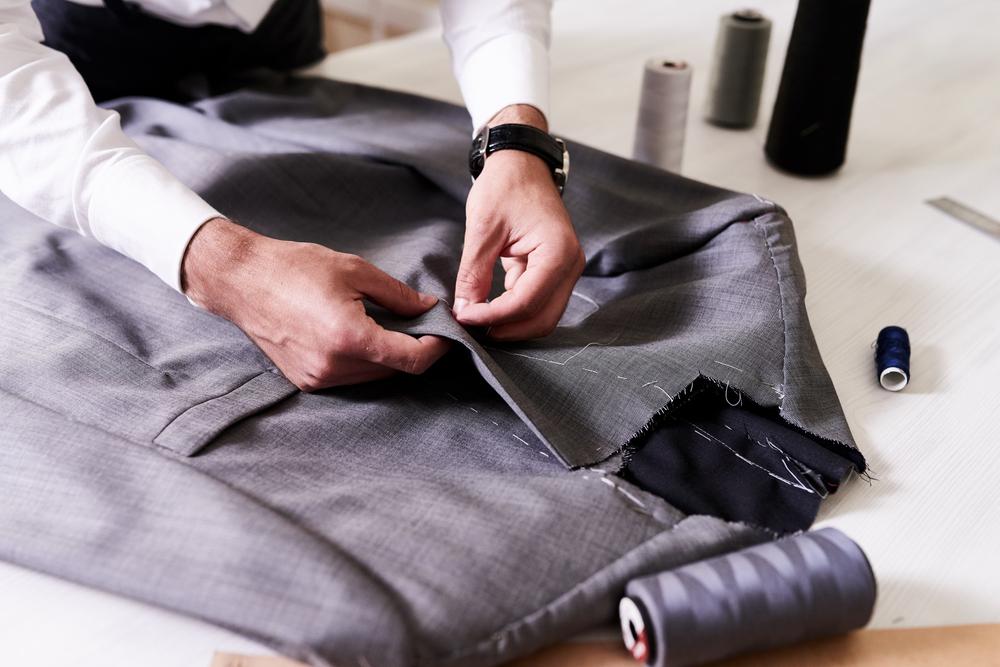
Why Alterations Matter: The Behind-the-Scenes That Make a Suit Look Right
A well-made suit can make a strong first impression, but even a quality garment will fall short if the fit is not right. Many clients ask, “Do I need suit alterations?” The answer depends on how the suit sits on your body, how it moves with you, and whether it reflects the polished image you want to present. Alterations are not just small fixes. They are the behind-the-scenes adjustments that turn a suit from acceptable into refined, balanced, and professional.
A suit is one of the most structured pieces of clothing a person can wear. Unlike casual apparel, it is built around shape, proportion, posture, and movement. The jacket, trousers, sleeves, shoulders, waist, and hem all have to work together. When one area is off, the entire look can feel unfinished. That is why alterations matter. They help the suit complement the person wearing it instead of forcing the person to adapt to the suit.
For businessmen, executives, public figures, and celebrities, fit is not a minor detail. It is part of the overall presentation. A properly tailored suit communicates confidence, attention to detail, and personal standards. Whether you are walking into a boardroom, attending a formal event, appearing on camera, or investing in a custom wardrobe, the right alterations help your clothing look intentional.
What Suit Alterations Really Do
Suit alterations are adjustments made to improve how a garment fits your body. These adjustments can be simple or highly detailed depending on the garment, the fabric, and the client’s needs. Some suits need only small refinements, while others require more extensive work to achieve the right result.
A professional tailor looks at the full picture, not just one measurement. The goal is to create balance across the entire suit. That includes how the jacket frames the shoulders, how the waist follows the torso, how the sleeves reveal the shirt cuff, how the trousers fall over the shoes, and how the garment moves when the client sits, stands, and walks.
This is where tailoring adjustments explained in simple terms becomes important. Alterations are not about making everything tight. They are about making everything correct. A suit should skim the body, allow comfortable movement, and maintain clean lines. A suit that is too tight can pull, wrinkle, and limit motion. A suit that is too loose can look dated, bulky, or careless. The best fit sits between those extremes.
Why Fit Matters More Than Brand Alone
A luxury label does not guarantee a perfect fit. Even expensive suits are often built to standard body proportions. Most people do not have standard proportions from shoulder to shoulder, chest to waist, or hip to inseam. This is why a suit may look impressive on the hanger but still needs professional adjustment once it is worn.
A suit should follow the natural structure of the wearer. When it does, the garment looks sharper and more personal. The viewer may not notice every specific alteration, but they will notice the result. The suit looks clean. The person looks composed. The outfit feels complete.
Perfecting suit fit is especially important because a suit has multiple visual checkpoints:
- The jacket shoulders should sit smoothly without dents or overhang.
- The jacket collar should rest against the shirt collar without gaps.
- The chest should close cleanly without strain.
- The waist should provide shape without pulling.
- The sleeves should end at the right point on the wrist.
- The trousers should sit comfortably at the waist.
- The seat should be smooth without sagging or pulling.
- The trouser break should match the client’s preferred style.
When these details work together, the suit looks natural. When they do not, even a fine fabric or expensive construction can look ordinary.
When to Alter a Suit
Knowing when to alter a suit can help clients protect their investment and avoid wearing garments that do not represent them well. A suit may need alterations when it is new, after weight changes, before an important event, or when style preferences evolve.
Common signs that a suit needs attention include:
- The jacket pulls across the chest when buttoned.
- The collar lifts away from the shirt.
- The shoulders look too wide or too narrow.
- The sleeves cover too much of the shirt cuff.
- The jacket waist looks boxy.
- The trousers bunch around the ankles.
- The pants feel too tight in the seat or thighs.
- The hem length looks outdated or uneven.
- The suit feels uncomfortable when sitting or walking.
A suit alteration guide can help identify these issues, but an experienced tailor can determine what is realistically adjustable. Not every problem can or should be fixed. Some areas, such as shoulders, are more complicated to alter than hems or sleeve length. That is why expert tailor advice is essential before investing in major changes.
The Most Common Suit Alterations
While every client and garment is different, several alterations are especially common. These adjustments often make the biggest visual difference.
Jacket Sleeve Length
Sleeve length is one of the most noticeable details in a suit. A jacket sleeve that is too long can make the suit look borrowed. A sleeve that is too short can look awkward and unbalanced. Ideally, the sleeve should allow a tasteful amount of shirt cuff to show.
This adjustment may seem simple, but it requires precision. The tailor must consider button placement, sleeve construction, and the client’s arm length.
Jacket Waist Suppression
Many off-the-rack jackets are cut with extra room through the body. Taking in the waist can create a cleaner silhouette and help the jacket follow the wearer’s shape. This is not about making the jacket tight. It is about removing excess fabric and improving proportion.
For businessmen and professionals, this alteration can create a sharper, more current appearance without sacrificing comfort.
Trouser Hemming
Pant length plays a major role in the overall look of a suit. Too much fabric at the ankle can look sloppy. Too little can look unintentionally short. The trouser break should match the client’s style, shoes, and the formality of the suit.
A more traditional client may prefer a slight break. A modern dresser may prefer little to no break. The right choice depends on the full outfit and the client’s personal style.
Trouser Waist and Seat Adjustments
Trousers should sit securely without squeezing. The waist, seat, and thighs all affect comfort and appearance. A skilled tailor can adjust these areas to reduce sagging, pulling, or excess fabric.
This is especially important for clients who spend long hours in suits. Comfort matters just as much as appearance.
Jacket Collar Adjustments
A collar gap is one of the most common signs of poor fit. It happens when the jacket collar does not sit properly against the shirt collar. This can be caused by posture, shoulder slope, or jacket construction.
Correcting this issue requires experience. It is a subtle alteration, but it can make a significant difference in how polished the jacket looks.
Common Tailoring Mistakes to Avoid
Not all alterations lead to better results. Common tailoring mistakes can reduce comfort, damage the garment, or create a look that does not suit the client. A good tailor understands restraint. The best result is not always the most dramatic change.
Mistakes to avoid include:
- Making a suit too tight in pursuit of a modern look.
- Shortening trousers without considering the shoe style.
- Ignoring shoulder fit before buying or altering a jacket.
- Taking in the waist so much that the jacket pulls.
- Shortening sleeves without checking button placement.
- Altering one area without considering the full garment.
- Choosing trends over proportion and personal style.
Tailoring should enhance the suit, not fight against its structure. A skilled tailor knows which changes are worth making and which issues suggest the client may need a different garment or a custom solution.
Bespoke vs. Altered Suits
Understanding bespoke vs. altered suits helps clients make better wardrobe decisions. An altered suit typically starts as an existing garment. It may be off-the-rack, made-to-measure, or previously owned. The tailor then adjusts it to improve the fit.
A bespoke suit starts differently. It is created for the client from the beginning. The pattern, measurements, posture, fabric, style, and design details are all considered before the garment is made. This allows for a more personal result and greater control over fit, construction, and appearance.
Alterations improve what already exists. Bespoke tailoring creates something specifically for the wearer.
Both have value. Alterations are useful when a suit is close to fitting well and needs refinement. Bespoke tailoring is ideal when the client wants a garment built around their body, lifestyle, and preferences from the start.
For clients who value individuality, bespoke tailoring offers an opportunity to integrate personal style into high-quality apparel. Fabric selection, lapel shape, lining, buttons, pocket style, trouser details, shirt design, and coat construction can all be tailored to the client’s taste.
Why Professional Tailoring Matters
Tailoring is both technical and artistic. It requires knowledge of fabric, garment structure, proportion, body shape, and style. A professional tailor does more than take measurements. They evaluate how the garment behaves on the client.
This includes looking at:
- Posture
- Shoulder slope
- Arm position
- Chest shape
- Waist balance
- Hip structure
- Leg line
- Movement
- Personal style preferences
A master tailor understands that two clients can have similar measurements but require different adjustments. Fit is personal. The tailor’s job is to create a garment that looks right on the individual, not just on paper.
Expert tailor advice is especially valuable when clients are preparing for important moments. A wedding, business presentation, gala, media appearance, or formal dinner may require a higher level of refinement. In those cases, details matter even more.
The Role of Alterations in Personal Style
Alterations are not only about correcting fit problems. They also help express personal style. Some clients prefer a classic silhouette. Others want a sleek, modern cut. Some want comfort and ease of movement, while others want a more structured, formal appearance.
A skilled tailor can help guide those choices. The goal is to create a look that suits the client’s body, profession, and personality.
For example, a business executive may want a suit that looks powerful and understated. A celebrity may want a more distinctive design that stands out under lights or on camera. A professional attending regular meetings may need durable, versatile suits that maintain their shape throughout the day. Each client has different needs, and tailoring helps meet those needs with precision.
Why Small Details Make a Big Difference
The best tailoring is often subtle. A quarter inch on a sleeve, a slight adjustment at the waist, or a cleaner trouser break can change the entire impression of a suit. These are details most people may not consciously identify, but they affect how the outfit is perceived.
Small details influence whether a suit looks:
- Sharp or unfinished
- Modern or outdated
- Comfortable or forced
- Professional or careless
- Custom or generic
A well-tailored suit should not distract. It should support the person wearing it. The clothing should frame the client’s presence, not overpower it.
How Alterations Protect Your Investment
A quality suit is an investment. Alterations help protect that investment by making the garment wearable, flattering, and useful for years. A suit that does not fit properly often stays in the closet. A suit that fits well becomes part of a reliable wardrobe.
Alterations can also extend the life of tailored apparel. As the body changes or style preferences shift, a tailor can often make adjustments to keep garments looking current and comfortable. This is especially useful for high-quality suits, pants, coats, and shirts that are worth maintaining.
Instead of replacing a garment too quickly, professional tailoring may help restore its usefulness.
FAQ
Do I need alterations if my suit is already my size?
Yes. Suit size is only a starting point. Even if the jacket and trousers are technically your size, they may still need adjustments to fit your shoulders, waist, sleeves, seat, and trouser length correctly.
How do I know when to alter a suit?
Alter a suit when it pulls, bunches, gaps, sags, restricts movement, or looks unbalanced. You should also consider alterations before important events or after changes in weight or posture.
Can every suit be altered?
Not every issue can be fixed. Sleeve length, trouser hems, waist adjustments, and minor shaping are common. Major shoulder problems, severe tightness, or poor garment construction may not be worth altering.
What is the difference between bespoke and altered suits?
An altered suit begins as an existing garment that is adjusted. A bespoke suit is made from the start for the client’s body, preferences, and style.
Are alterations only for formal suits?
No. Alterations can improve pants, coats, shirts, jackets, and other tailored garments. Any structured apparel can benefit from proper fit.
How tight should a suit be?
A suit should follow the body without pulling or restricting movement. Tight does not always mean tailored. A proper fit should look clean and feel comfortable.
Why should I use a professional tailor instead of a quick alteration shop?
A professional tailor understands garment structure, proportion, fabric behavior, and personal style. This leads to more precise results and helps avoid mistakes that can damage the suit or compromise the fit.
Book Your Consultation Today
The right alterations can transform the way a suit looks, feels, and performs. Whether you need refined adjustments, a fully custom suit, expertly tailored pants, a bespoke coat, or shirts made to reflect your personal style, Peter Panos Bespoke Tailor is here to help. Serving the San Francisco, CA, area with master bespoke tailoring, we take pride in creating high-quality garments for businessmen, celebrities, and clients who value precision, craftsmanship, and individuality. Contact us today to schedule a consultation and experience the difference expert tailoring can make.
Categorised in: Bespoke Suit